

|
Version |
V1 |
|
Publishing Date |
July 2019 |
|
Last
Review Date |
July 2019 |
|
Frequency of Review |
Annual |
|
Next
Review Date |
July 2020 |
|
Policy
Owner |
N Gajoo |
|
Responsible Business Unit |
|
§
This policy forms part of the policy owner’s
internal business processes
and procedures.
§
Any reference
to the “organisation” shall be interpreted to include the “policy owner”.
§
The organisation’s governing body, its employees, volunteers, contractors, suppliers and any other persons acting
on behalf of the
organisation are required to familiarise themselves with the policy’s
requirements and undertake to comply with the stated processes and procedures.
§
Risk owners
and control owners
are responsible for overseeing and maintaining control
procedures and activities.
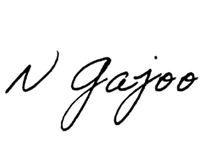
By signing this document, I authorise the policy owner’s
adoption of the processes and procedures outlined
herein.
|
Name
& Surname |
N Gajoo |
|
Capacity |
Key Individual |
|
Signature |
|
|
Date |
29 August 2022 |
|
TABLE OF CONTENTS |
|
|
1. INTRODUCTION……………………………………………………………………...…...………. |
Page 4 |
|
2. DEFINITIONS………………………………………………………………………………………. |
Page 4 |
|
2.1 Personal Information……….…………………………………………………………………………………………….. |
Page 4 |
|
2.2 Data
Subject…...………………………………………………………………………………………………………….. |
Page 4 |
|
2.3 Responsible Party………………………………………………………………………………………………………… |
Page 4 |
|
2.4 Operator…………………..……………………………………………………………………………………………….. |
Page 5 |
|
2.5 Information Officer…………..……………………………………………………………………………………………. |
Page 5 |
|
2.6 Processing..……………………………………………………………………………………………………………….. |
Page 5 |
|
2.7 Record…………………………………………………………………………………………………………………..…. |
Page 5 |
|
2.8 Filing
System…………………………………………………………………………………………………………..….. |
Page 5 |
|
2.9 Unique
Identifier………………………………………………………………………………………………………...… |
Page 5 |
|
2.10 De-Identify……………………………………………………………………………………………………………….. |
Page 6 |
|
2.11 Re-Identify…………………………………………………………………………………..………………………..….. |
Page 6 |
|
2.12 Consent………………………………………………………………………………………………………………..…. |
Page 6 |
|
2.13 Direct
Marketing………………………………………………………………………………….……….…………….. |
Page 6 |
|
2.14 Biometrics……………………………………………………………………………………………………….……….. |
Page 6 |
|
3. POLICY
PURPOSE……………………………………...……..……………………………..…... |
Page 6 |
|
4. POLICY
APPLICATION……………………………………...………..……………………..…... |
Page 7 |
|
5. RIGHTS
OF DATA SUBJECTS………………………………………………………………..… |
Page 7 |
|
5.1
Mobile App Privacy…………………………………………………………………………………………………… |
Page
7 |
|
5.1.1 The Right to Access Personal Information………………………………………………………………………..…… |
Page 7 |
|
5.2 The Right to have Personal Information Corrected or Deleted……………………………………………………… |
Page 7 |
|
5.3 The
Right to Object
to the Processing of Personal Information…………………………….......…………………… |
Page 8 |
|
5.4 The Right to Object to Direct Marketing…………………………………………………………………..……………. |
Page 8 |
|
5.5 The Right to Complain to the Information Regulator…………………………………………………………..……… |
Page 8 |
|
5.6 The Right to be Informed………………………………………………………………………………………………… |
Page 8 |
|
6. GENERAL
GUIDING PRINCIPLES…………………………………………………………...… |
Page 8 |
|
6.1 Accountability………….………………………………………………………………………………………………….. |
Page 8 |
|
6.2 Processing
Limitation.....................................................………………………………………………….………….. |
Page 8 |
|
6.3 Purpose Specification..…………………………………………………………….…………………………………….. |
Page 9 |
|
6.4 Further Processing Limitation……………….……………………………………………………….………………….. |
Page 9 |
|
6.5 Information Quality…………………..........………………………………………….……………………………...…... |
Page 9 |
|
6.6 Open Communication…………….………….………………..……………………….………………………………… |
Page 9 |
|
6.7 Security Safeguards……………………………………………………………………………………………………… |
Page 10 |
|
6.8 Data Subject Participation……………………………………………………………………………………………….. |
Page 10 |
|
7. INFORMATION OFFICERS………………………………………………………………………. |
Page 10 |
|
8. SPECIFIC DUTIES AND RESPONSIBILITIES………………………..……………………….. |
Page 11 |
|
8.1 Governing Body………………………………………………………………………….………………………….……. |
Page 11 |
|
8.2 Information Officer………………………………………………………..………………………………………………. |
Page 11 |
|
8.3 IT
Manager………………………………………………………………………………………………………………… |
Page 12 |
|
8.4 Marketing & Communication Manager……………………………………………………………………….………… |
Page 12 |
|
8.5 Employees and other Persons
acting on behalf
of the Organisation……………………………………………….. |
Page 13 |
|
9. POPI AUDIT……………………………………………………………………………………..…. |
Page 15 |
|
10. REQUEST TO ACCESS PERSONAL INFORMATION………………………..………….… |
Page 15 |
|
11. POPI COMPLAINTS PROCEDURE………………………………………………………....… |
Page 16 |
|
12. DISCIPLINARY ACTION……………………………………………………………………...… |
Page 16 |
|
13. ANNEXURE A: PERSONAL INFORMATION REQUEST FORM…….…………...…….…. |
Page 18 |
|
14. ANNEXURE B: POPI COMPLAINT FORM…………………………………………………... |
Page 19 |
|
15. ANNEXURE C: POPI NOTICE
AND CONSENT FORM……………………………….……. |
Page 20 |
|
16. ANNEXURE D: EMPLOYEE CONSENT AND CONFIDENTIALITY CLAUSE……….… |
Page 21 |
|
17. ANNEXURE E: SLA CONFIDENTIALITY CLAUSE……………………..……………...…... |
Page 22 |
|
18. ANNEXURE F: INFORMATION OFFICER APPOINTMENT LETTER…………………….. |
Page 23 |
The right to privacy is an integral human right recognised and protected in the South African Constitution and in the Protection of Personal Information Act 4 of 2013 (“POPIA”).
POPIA aims to promote the protection of privacy through providing guiding principles that are intended to be applied to the processing of personal information in a context-sensitive manner.
Through the provision of quality goods and services, the organisation is necessarily involved in the collection, use and disclosure of certain aspects of the personal information of clients, customers, employees and other stakeholders.
A person’s right to privacy entails having control over his or her personal information and being able to conduct his or her affairs relatively free from unwanted intrusions.
Given the importance of privacy, the organisation is committed to effectively managing personal information in accordance with POPIA’s provisions.
Personal information is any information that can be used to reveal a person’s identity. Personal information relates to an identifiable, living, natural person, and where applicable, an identifiable, existing juristic person (such as a company), including, but not limited to information concerning:
§ race,
gender, sex, pregnancy, marital status, national or ethnic origin, colour, sexual orientation, age, physical or mental
health, disability, religion, conscience, belief, culture, language and birth
of a person;
§ information relating to the education or the medical,
financial, criminal or employment history
of the person;
§ any
identifying number, symbol,
email address, physical
address, telephone number,
location information, online
identifier or other particular
assignment to the person;
§ the biometric information of the person;
§ the personal opinions,
views or preferences of the person;
§ correspondence sent by the person that is implicitly or explicitly of a private
or confidential nature
or further correspondence that would reveal the
contents of the original correspondence;
§ the views or opinions of another individual about the person;
§ the
name of the person if it appears
with other personal
information relating to the person
or if the disclosure of the name itself would reveal information
about the person.
This refers to the natural or juristic person to whom personal information relates, such as an individual client, customer or a company that supplies the organisation with products or other goods.
The responsible party is the entity that needs the personal information for a particular reason and determines the purpose of and means for processing the personal information. In this case, the organisation is the responsible party.
An operator means a person who processes personal information for a responsible party in terms of a contract or mandate, without coming under the direct authority of that party. For example, a third-party service provider that has contracted with the organisation to shred documents containing personal information. When dealing with an operator, it is considered good practice for a responsible party to include an indemnity clause.
The Information Officer is responsible for ensuring the organisation’s compliance with POPIA.
Where
no Information Officer
is appointed, the head of the organisation will be responsible for performing the Information Officer’s duties.
Once appointed, the Information Officer must be registered with the South African Information Regulator established under POPIA prior to performing his or her duties. Deputy Information Officers can also be appointed to assist the Information Officer.
The act of processing information includes any activity or any set of operations, whether or not by automatic means, concerning personal information and includes:
§ the
collection, receipt, recording, organisation, collation, storage,
updating or modification, retrieval, alteration, consultation or use;
§ dissemination by means of transmission, distribution or making
available in any other form;
or
§ merging, linking, as well as any restriction, degradation, erasure or destruction of information.
Means any recorded information, regardless of form or medium,
including:
§ Writing on any material;
§ Information produced, recorded or stored by means of any tape-recorder, computer equipment, whether
hardware or software or both, or other device, and
any material subsequently derived from information so produced, recorded or stored;
§ Label, marking or other writing
that identifies or describes
anything of which it forms part, or to
which it is attached by any means;
§ Book, map, plan,
graph or drawing;
§ Photograph, film, negative, tape or other
device in which
one or more visual images
are embodied so as to be capable, with or without the aid of some other
equipment, of being reproduced.
Means any structured set of personal information, whether centralised, decentralised or dispersed on a functional or geographical basis, which is accessible according to specific criteria.
Means any identifier that is assigned to a data subject and is used by a responsible party for the purposes of the operations of that responsible party and that uniquely identifies that data subject in relation to that responsible party.
This means to delete any information that identifies a data subject or which can be used by a reasonably foreseeable method to identify, or when linked to other information, that identifies the data subject.
In relation to personal information of a data subject, means to resurrect any information that has been de-identified that identifies the data subject, or can be used or manipulated by a reasonably foreseeable method to identify the data subject.
Means any voluntary, specific
and informed expression of will in terms of which permission is given for the processing of personal information.
Means
to approach a data subject,
either in person
or by mail or electronic communication, for the direct or indirect purpose of:
§ Promoting or offering
to supply, in the ordinary
course of business,
any goods or services to the data subject; or
§ Requesting the data subject to make a donation
of any kind for any reason.
Means a technique of personal identification that is based on physical, physiological or behavioural characterisation including blood typing, fingerprinting, DNA analysis, retinal scanning and voice recognition.
This purpose of this policy is to protect the organisation from the compliance risks associated with the protection of personal information which includes:
§ Breaches of confidentiality. For
instance, the organisation could
suffer loss in revenue
where it is found that the personal
information of data subjects has been shared or disclosed inappropriately.
§ Failing to offer choice.
For instance, all data subjects should be free
to choose how and
for what purpose the organisation uses information relating to them.
§ Reputational damage. For instance,
the organisation could suffer a decline in shareholder value following an adverse event such as a computer hacker deleting
the personal information held by the organisation.
This policy demonstrates the organisation’s commitment to protecting the privacy rights
of data subjects in the following manner:
§ Through stating desired
behaviour and directing compliance with the provisions of POPIA and best practice.
§ By cultivating an organisational culture
that recognises privacy
as a valuable human right.
§ By
developing and implementing internal controls for the purpose
of managing the compliance risk associated with the
protection of personal information.
§ By creating business practices that will provide reasonable assurance
that the rights of data subjects are
protected and balanced with the
legitimate business needs of the organisation.
§ By assigning
specific duties and responsibilities to control
owners, including the appointment of an Information Officer and where
necessary, Deputy Information Officers in order to
protect the interests of the organisation and data subjects.
§ By raising awareness
through training and providing guidance
to individuals who process personal
information so that they
can act confidently and consistently.
This policy and its guiding
principles applies to:
§ The organisation’s governing
body
§ All branches, business
units and divisions
of the organisation
§ All employees and volunteers
§ All contractors, suppliers and other persons
acting on behalf
of the organisation
The policy’s guiding principles find application in all situations and must be read in conjunction with POPIA as well as the organisation’s PAIA Policy as required by the Promotion of Access to Information Act (Act No 2 of 2000).
The legal duty to comply
with POPIA’s provisions is activated in any situation where there is:
§ A processing of…..….
§
…………personal information……….
§ ……………………..entered into a record……….
§ ……………………..…………..by or for a responsible person…………
§ ................................................................................... who is domiciled in South Africa.
POPIA
does not apply in situations where the processing of personal information:
§ is concluded in the course of
purely personal or household activities, or
§ where the personal
information has been de-identified.
Where appropriate, the organisation will ensure that its clients and customers are made aware of the rights conferred upon them as data subjects.
The organisation will ensure that it gives effect to the following seven rights.
The mobile
apps under the Opulentus Wealth – (Opulentus Apps) Banner do NOT collect any user data. Contact
us at owealthapps@gmail.com if you
need more information.
The organisation recognises that a data subject has the right to establish whether the organisation holds personal information related to him, her or it including the right to request access to that personal information.
An example of a “Personal
Information Request Form” can be found under Annexure A.
The data subject has the right to request, where necessary, that his, her or its personal information must be corrected or deleted where the organisation is no longer authorised to retain the personal information.
The data subject
has the right,
on reasonable grounds,
to object to the processing of his, her or its personal information.
In such circumstances, the organisation will give due consideration to the request and the requirements of POPIA. The organisation may cease to use or disclose the data subject’s personal information and may, subject to any statutory and contractual record keeping requirements, also approve the destruction of the personal information.
The data subject has the right to object to the processing of his, her or its personal information for purposes of direct marketing by means of unsolicited electronic communications.
The data subject has the right to submit a complaint to the Information Regulator regarding an alleged infringement of any of the rights protected under POPIA and to institute civil proceedings regarding the alleged non-compliance with the protection of his, her or its personal information.
An example of a
“POPI Complaint Form” can be found under Annexure
B.
The data subject
has the right to be notified
that his, her or its personal information is being collected by the organisation.
The data subject also has the right to be notified in any situation where the organisation has reasonable grounds to believe that the personal information of the data subject has been accessed or acquired by an unauthorised person.
All employees and persons acting on behalf of the organisation will at all times be subject to, and act in accordance with, the following guiding principles:
Failing to comply with POPIA could potentially damage the organisation’s reputation or expose the organisation to a civil claim for damages. The protection of personal information is therefore everybody’s responsibility.
The organisation will ensure that the provisions of POPIA and the guiding principles outlined in this policy are complied with through the encouragement of desired behaviour. However, the organisation will take appropriate sanctions, which may include disciplinary action, against those individuals who through their intentional or negligent actions and/or omissions fail to comply with the principles and responsibilities outlined in this policy.
The organisation will ensure that personal information under its control
is processed:
§ in a fair, lawful and non-excessive manner,
and
§ only with the informed consent
of the data subject, and
§ only for a specifically defined
purpose.
The organisation will inform the data subject of the reasons for collecting his, her or its personal information and obtain written consent prior to processing personal information.
Alternatively, where services or transactions are concluded over
the telephone or electronic video feed, the organisation will maintain a voice recording
of the stated purpose for collecting the personal information followed by the data subject’s
subsequent consent.
The organisation will under no circumstances distribute or share personal information between separate legal entities, associated organisations (such as subsidiary companies) or with any individuals that are not directly involved with facilitating the purpose for which the information was originally collected.
Where applicable, the data subject must be informed of the possibility that their personal information will be shared with other aspects of the organisation’s business and be provided with the reasons for doing so.
An example of a “POPI Notice and Consent Form” can be found under Annexure
C.
All of
the organisation’s business
units and operations must be informed
by the principle of transparency.
The organisation will process personal information only for specific, explicitly defined and legitimate reasons. The organisation will inform data subjects of these reasons prior to collecting or recording the data subject’s personal information.
Personal information will not be processed for a secondary purpose unless that processing is compatible with the original purpose.
Therefore, where the organisation seeks to process personal information it holds for a purpose other than the original purpose for which it was originally collected, and where this secondary purpose is not compatible with the original purpose, the organisation will first obtain additional consent from the data subject.
The organisation will take reasonable
steps to ensure that all personal information collected is complete, accurate
and not misleading.
The more important it is that the personal information be accurate (for example, the beneficiary details of a life insurance policy are of the utmost importance), the greater the effort the organisation will put into ensuring its accuracy.
Where personal information is collected or received from third parties,
the organisation will take reasonable steps to confirm
that the information is correct by verifying the accuracy of the
information directly with the data subject or by way of independent sources.
The organisation will take reasonable steps to ensure that data subjects are notified (are at all times aware) that their personal information is being collected including the purpose for which it is being collected and processed.
The organisation will ensure that it establishes and maintains a “contact us” facility, for instance via its website or through an electronic helpdesk, for data subjects who want to:
§ Enquire whether the organisation holds related personal
information, or
§ Request access to related personal
information, or
§ Request the organisation to update or correct related
personal information, or
§ Make a complaint concerning the processing of personal information.
The organisation will manage the security of its filing system to ensure that personal information is adequately protected. To this end, security controls will be implemented in order to minimise the risk of loss, unauthorised access, disclosure, interference, modification or destruction.
Security measures also need to be applied in a context-sensitive manner. For example, the more sensitive the personal information, such as medical information or credit card details, the greater the security required.
The organisation will continuously review its security controls which will include regular testing of protocols and measures put in place to combat cyber-attacks on the organisation’s IT network.
The organisation will ensure that all paper and electronic records comprising personal information are securely stored and made accessible only to authorised individuals.
All new employees will be required to sign employment contracts containing contractual terms for the use and storage of employee information. Confidentiality clauses will also be included to reduce the risk of unauthorised disclosures of personal information for which the organisation is responsible.
All existing employees will, after the required consultation process has been followed, be required to sign an addendum to their employment containing the relevant consent and confidentiality clauses.
The organisation’s operators and third-party service providers will be required to enter into service level agreements with the organisation where both parties pledge their mutual commitment to POPIA and the lawful processing of any personal information pursuant to the agreement.
An example of “Employee Consent and Confidentiality Clause” for inclusion in the organisation’s employment contracts can be found under Annexure D.
An example of an “SLA Confidentiality Clause” for inclusion in the organisation’s service level agreements can be found under Annexure E.
A data subject
may request the correction or deletion of his, her or its personal information held by the organisation.
The organisation will ensure that it provides a facility for data subjects who want to request the correction of deletion of their personal information.
Where applicable, the organisation will
include a link to unsubscribe from any of its electronic newsletters or related
marketing activities.
The organisation will appoint an Information Officer
and where necessary, a Deputy Information Officer to assist
the Information Officer.
The organisation’s Information Officer is responsible for ensuring compliance with POPIA.
There are no legal requirements under POPIA for an organisation to appoint an Information Officer. Appointing an Information Officer is however, considered to be a good business practice, particularly within larger organisations.
Where no Information Officer is appointed, the head of the organisation will assume the role of the Information Officer. Consideration will be given on an annual basis to the re-appointment or replacement of the Information Officer and the re- appointment or replacement of any Deputy Information Officers.
Once appointed, the organisation will register the Information Officer with the South African Information Regulator established under POPIA prior to performing his or her duties.
An example of an “Information Officer Appointment Letter”
can be found under Annexure
F.
The organisation’s governing body cannot delegate its accountability and is ultimately answerable for ensuring that the organisation meets its legal obligations in terms of POPIA.
The
governing body may however
delegate some of its responsibilities in terms
of POPIA to management or other capable
individuals.
The governing body is responsible for ensuring that:
§ The organisation appoints
an Information Officer,
and where necessary, a Deputy Information Officer.
§ All persons responsible for the processing of personal information on behalf of the organisation:
ž are appropriately trained
and supervised to do so,
ž understand that they are contractually obligated to protect
the personal information they come into contact
with, and
ž are
aware that a wilful or negligent breach
of this policy’s processes and procedures may lead to disciplinary action being
taken against them.
§
Data subjects
who want to make enquires
about their personal
information are made aware of the procedure
that needs to be followed should they wish to do so.
§ The
scheduling of a periodic POPI Audit in order to accurately assess and review
the ways in which the organisation collects, holds, uses, shares, discloses,
destroys and processes personal information.
The organisation’s Information Officer is responsible for:
§ Taking steps to ensure the organisation’s reasonable compliance with the provision of POPIA.
§
Keeping
the governing body updated about the organisation’s information protection
responsibilities under POPIA. For instance, in the case of a security breach,
the Information Officer must inform and advise the governing body of their
obligations pursuant to POPIA.
§
Continually
analysing privacy regulations and aligning them with the organisation’s
personal information processing procedures. This will include reviewing the
organisation’s information protection procedures and related policies.
§ Ensuring that POPI Audits are scheduled and conducted on a regular
basis.
§
Ensuring that the organisation makes it convenient for data subjects
who want to update their
personal information or submit
POPI related complaints to the organisation. For instance, maintaining a
“contact us” facility on the organisation’s website.
§
Approving
any contracts entered into with operators, employees
and other third parties which may have an impact on the personal information held by the organisation. This will include
overseeing the amendment
of the organisation’s employment
contracts and other service level agreements.
§ Encouraging compliance with the conditions required for the lawful processing of personal information.
§
Ensuring
that employees and other persons
acting on behalf of the organisation are fully aware of the risks associated
with the processing of personal information and that they remain informed about
the organisation’s security controls.
§
Organising and overseeing the awareness training
of employees and other individuals involved in the processing of personal
information on behalf of the organisation.
§ Addressing employees’ POPIA related questions.
§ Addressing all POPIA related requests
and complaints made by the organisation’s data subjects.
§
Working
with the Information Regulator in relation to any ongoing investigations. The
Information Officers will therefore act as the contact point for the
Information Regulator authority on issues relating to the processing of
personal information and will consult with the Information Regulator where
appropriate, with regard to any other matter.
The Deputy Information Officer will assist the Information Officer in performing his or her duties.
The organisation’s IT Manager is responsible for:
§ Ensuring that the organisation’s IT infrastructure, filing
systems and any other devices
used for processing personal information meet acceptable security standards.
§ Ensuring that all electronically held personal
information is kept only on designated drives and servers and
uploaded only to approved cloud computing services.
§ Ensuring that servers
containing personal information are sited in a secure
location, away from the general
office space.
§ Ensuring that all electronically stored
personal information is backed-up and tested on a regular
basis.
§ Ensuring that all back-ups containing personal information are
protected from unauthorised access, accidental deletion and malicious shacking
attempts.
§ Ensuring that personal
information being transferred electronically is encrypted.
§ Ensuring that all servers and
computers containing personal information are protected by a firewall and the
latest security software.
§ Performing regular IT audits to ensure that the security of the organisation’s hardware and software systems are functioning properly.
§ Performing regular IT audits to verify
whether electronically stored personal information has been accessed or
acquired by any unauthorised persons.
§ Performing a proper due diligence review prior to
contracting with operators or any other third-party service providers to process personal
information on the organisation’s behalf. For instance, cloud computing
services.
The organisation’s Marketing
& Communication Manager
is responsible for:
§ Approving and maintaining the protection of personal information statements and disclaimers that are displayed on the organisation’s
website, including those attached to communications such as emails and
electronic newsletters.
§ Addressing any personal
information protection queries
from journalists or media outlets
such as newspapers.
§ Where
necessary, working with persons acting
on behalf of the organisation to ensure that any outsourced marketing initiatives comply with POPIA.
Employees and other persons acting on behalf of the organisation will, during the course of the performance of their services, gain access to and become acquainted with the personal information of certain clients, suppliers and other employees.
Employees and other persons acting on behalf of the organisation are required to treat personal information as a confidential business asset and to respect the privacy of data subjects.
Employees and other persons acting on behalf of the organisation
may not directly or indirectly, utilise, disclose or make public in any manner to any person or third party, either
within the organisation or externally, any personal information, unless such
information is already publicly known or the
disclosure is necessary in order for the employee or person to perform his or
her duties.
Employees and other persons acting on behalf of the organisation must request assistance from their line manager or the Information Officer if they are unsure about any aspect related to the protection of a data subject’s personal information.
Employees and other persons
acting on behalf
of the organisation will only process personal
information where:
§ The data subject,
or a competent person where
the data subject
is a child, consents to the processing; or
§
The processing is necessary to carry out actions for the conclusion or performance of a contract
to which the data subject
is a party; or
§ The processing complies
with an obligation imposed by law on the responsible party; or
§ The processing protects
a legitimate interest
of the data subject; or
§ The
processing is necessary for pursuing the legitimate interests of the organisation or of a third party to whom the information is supplied.
Furthermore, personal information will only be processed where the data subject:
§ Clearly understands why and for what purpose
his, her or its personal
information is being collected; and
§ Has granted the organisation with explicit written
or verbally recorded
consent to process
his, her or its personal
information.
Employees and other persons acting on behalf of the organisation will consequently, prior to processing any personal information, obtain a specific and informed expression of will from the data subject, in terms of which permission is given for the processing of personal information.
Informed consent is therefore when the data subject clearly understands for what purpose his, her or its personal information is needed and who it will be shared with.
Consent can be obtained in written form which includes any appropriate electronic medium that is accurately and readily reducible to printed form. Alternatively, the organisation will keep a voice recording of the data subject’s consent in instances where transactions are concluded telephonically or via electronic video feed.
Consent
to process a data subject’s personal information will be obtained
directly from the data subject,
except where:
§ the personal information has been made public, or
§ where valid consent
has been given
to a third party, or
§ the information is necessary for effective law enforcement.
Employees and other persons
acting on behalf
of the organisation will under no circumstances:
§
Process
or have access to personal information where such processing or access is not a
requirement to perform their respective work-related tasks or duties.
§
Save
copies of personal information directly to their own private computers, laptops
or other mobile devices like tablets or smart phones. All personal information
must be accessed and updated from the organisation’s central database or a
dedicated server.
§
Share
personal information informally. In particular, personal
information should never be sent by email, as this form of communication is not secure.
Where access to personal information is required, this may be requested from the relevant
line manager or the Information Officer.
§ Transfer personal information outside of South
Africa without the express permission from the Information Officer.
Employees and other persons
acting on behalf
of the organisation are responsible for:
§
Keeping
all personal information that they come into contact with
secure, by taking sensible precautions and following the guidelines outlined
within this policy.
§
Ensuring that personal information is held in as few places as is necessary. No unnecessary additional records, filing systems and data sets should therefore be
created.
§ Ensuring that personal
information is encrypted
prior to sending
or sharing the information electronically. The IT Manager
will
assist employees and where required, other persons acting on behalf of the organisation, with the sending or sharing of personal information to or with authorised external persons.
§
Ensuring
that all computers, laptops and devices such as tablets, flash drives and
smartphones that store personal information are password
protected and never left unattended. Passwords must be changed regularly
and may not be shared with unauthorised persons.
§ Ensuring that their computer screens and other devices are switched
off or locked when not in use or
when away from their desks.
§ Ensuring that where personal
information is stored
on removable storage
medias such as external drives,
CDs or DVDs that these are
kept locked away securely when not being used.
§
Ensuring
that where personal information is stored on paper, that such hard copy records
are kept in a secure place where unauthorised people cannot access it. For
instance, in a locked drawer of a filing cabinet.
§
Ensuring
that where personal information has been printed out, that the paper printouts
are not left unattended where unauthorised individuals could see or copy them.
For instance, close to the printer.
§
Taking reasonable steps to ensure that personal information is kept accurate
and up to date. For instance, confirming a data subject’s contact details when the client or customer
phones or communicates via email.
Where a data subject’s
information
is found to be out of date, authorisation must first be obtained from the relevant line manager or the Information Officer to update the information accordingly.
§
Taking
reasonable steps to ensure that personal
information is stored only for as long as it is needed or required in terms of the
purpose for which it was originally collected. Where personal information is no longer required, authorisation must first be obtained from the relevant line
manager or the Information Officer to delete or dispose of the personal
information in the appropriate manner.
§ Undergoing POPI Awareness
training from time to time.
Where an employee, or a person acting on behalf of the organisation, becomes aware or suspicious of any security breach such as the unauthorised access, interference, modification, destruction or the unsanctioned disclosure of personal information, he or she must immediately report this event or suspicion to the Information Officer or the Deputy Information Officer.
The organisation’s Information Officer will schedule periodic POPI Audits. The purpose of a POPI audit is to:
§ Identify the processes
used to collect,
record, store, disseminate and destroy personal
information.
§
Determine
the flow of personal information throughout the organisation. For instance, the
organisation’s various business units, divisions, branches and other associated
organisations.
§ Redefine the purpose
for gathering and processing personal
information.
§
Ensure that the processing parameters are still adequately limited.
§
Ensure that new data subjects are made aware of
the processing of their personal
information.
§ Re-establish the rationale
for any further
processing where information is received via a third party.
§ Verify the quality
and security of personal
information.
§ Monitor the extend
of compliance with POPIA and this policy.
§ Monitor the effectiveness of internal controls
established to manage
the organisation’s POPI related compliance risk.
In performing the POPI Audit, Information Officers will liaise with line managers in order to identify areas within in the organisation’s operation that are most vulnerable or susceptible to the unlawful processing of personal information.
Information Officers will be permitted direct access to and have demonstrable support from line managers and the organisation’s governing body in performing their duties.
Data subjects
have the right to:
§ Request what personal
information the organisation holds about them and why.
§ Request access to their personal
information.
§ Be informed how to keep their personal
information up to date.
Access to information requests can be made by email, addressed to the Information Officer. The Information Officer will provide the data subject with a “Personal Information Request Form”.
Once the completed form has been received, the Information Officer will verify the identity of the data subject prior to handing over any personal information. All requests will be processed and considered against the organisation’s PAIA Policy.
The Information Officer will process
all requests within
a reasonable time.
Data subjects have the right to complain in instances where any
of their rights under POPIA have been infringed upon. The organisation takes
all complaints very seriously and will address all POPI related complaints in
accordance with the following procedure:
§
POPI complaints must be submitted to the organisation in writing. Where so required, the Information Officer
will provide the data subject with a “POPI Complaint
Form”.
§
Where the complaint has been received
by any person other than the Information Officer, that person will ensure that the full
details of the complaint reach the Information Officer within 1 working day.
§
The
Information Officer will provide the complainant with a written acknowledgement
of receipt of the complaint within 2 working days.
§
The Information Officer will carefully
consider the complaint and address the complainant’s concerns
in an amicable manner. In
considering the complaint, the Information Officer will endeavour to resolve
the complaint in a fair manner and in accordance with the principles outlined
in POPIA.
§
The
Information Officer must also determine whether the complaint relates to an
error or breach of confidentiality that has occurred and which may have a wider
impact on the organisation’s data subjects.
§
Where
the Information Officer has reason to believe that the personal information of
data subjects has been accessed or acquired by an unauthorised person, the
Information Officer will consult with the organisation’s governing body where
after the affected data subjects and the Information Regulator will be informed
of this breach.
§
The
Information Officer will revert to the complainant with a proposed solution
with the option of escalating the complaint to the organisation’s governing
body within 7 working days of receipt of the complaint. In all instances, the
organisation will provide reasons for any decisions taken and communicate any
anticipated deviation from the specified timelines.
§ The Information Officer’s
response to the data subject
may comprise any of the following:
ž A suggested remedy
for the complaint,
ž A dismissal of the complaint
and the reasons
as to why it was dismissed,
ž An apology (if applicable) and any disciplinary action that has been taken against any employees involved.
§
Where
the data subject is not satisfied with the Information Officer’s suggested
remedies, the data subject has the right to complain to the Information
Regulator.
§
The
Information Officer will review the complaints process to assess the
effectiveness of the procedure on a periodic basis and to improve the procedure
where it is found wanting. The reason for any complaints will also be reviewed
to ensure the avoidance of occurrences giving rise to POPI related complaints.
Where a POPI complaint or a POPI infringement investigation has been finalised, the organisation may recommend any appropriate administrative, legal and/or disciplinary action to be taken against any employee reasonably suspected of being implicated in any non-compliant activity outlined within this policy.
In the case of ignorance or minor negligence, the organisation
will undertake to provide further awareness training to the employee.
Any gross negligence or the wilful mismanagement of personal information, will be considered a serious form of misconduct for which the organisation may summarily dismiss the employee. Disciplinary procedures will commence where there is sufficient evidence to support an employee’s gross negligence.
Examples of immediate actions
that may be taken subsequent to
an investigation include:
§
A recommendation to commence with disciplinary action.
§
A referral
to appropriate law enforcement agencies
for criminal investigation.
§
Recovery of funds and assets in order to limit
any prejudice or damages caused.
PERSONAL INFORMATION REQUEST
FORM
|
Please
submit the completed form to the Information Officer: |
|
|
Name |
N Gajoo |
|
Contact Number |
011-052 2850 |
|
Email
Address: |
|
Please be aware that we
may require you to provide
proof of identification prior to processing your request. There
may also be a reasonable charge for providing copies of the information
requested.
|
A. Particulars of Data
Subject |
||
|
Name
& Surname |
|
|
|
Identity Number: |
|
|
|
Postal
Address: |
|
|
|
Contact Number: |
|
|
|
Email
Address: |
|
|
|
B. Request |
||
|
I request the organisation to: |
||
|
(a)
Inform me whether it holds any of my personal information |
¨ |
|
|
(b)
Provide me with
a record or description of my personal information |
¨ |
|
|
(c)
Correct or update
my personal information |
¨ |
|
|
(d)
Destroy or delete
a record of my personal information |
¨ |
|
|
C. Instructions |
||
|
|
||
|
|
||
|
|
||
|
|
||
|
|
||
|
|
||
|
|
||
|
|
||
|
|
||
|
|
||
|
|
||
|
|
||
|
D. Signature Page |
||
|
|
||
|
Signature |
||
|
|
||
|
Date |
||
POPI COMPLAINT FORM
We are committed to safeguarding your privacy and the confidentiality of your personal information and are bound
by the Protection of Personal Information Act.
|
Please
submit your complaint to the Information Officer: |
|
|
Name |
N Gajoo |
|
Contact Number |
011-052 2850 |
|
Email
Address: |
|
Where we are unable
to resolve your complaint, to your satisfaction you have the right to complaint to the Information Regulator.
The Information Regulator: Ms Mmamoroke Mphelo
Physical Address:
SALU Building, 316 Thabo
Sehume Street, Pretoria
Email: inforreg@justice.gov.za
Website: http://www.justice.gov.za/inforeg/index.html
|
A. Particulars of Complainant |
|
|
Name
& Surname |
|
|
Identity Number: |
|
|
Postal
Address: |
|
|
Contact Number: |
|
|
Email
Address: |
|
|
B. Details of Complaint |
|
|
|
|
|
|
|
|
|
|
|
|
|
|
|
|
|
|
|
|
|
|
|
|
|
|
C. Desired Outcome |
|
|
|
|
|
|
|
|
|
|
|
|
|
|
|
|
|
D. Signature Page |
|
|
|
|
|
Signature: |
|
|
|
|
|
Date |
|
POPI NOTICE AND CONSENT FORM
We understand that
your personal information is important to you and that you may be apprehensive
about disclosing it. Your privacy is just as important to us
and we are committed to safeguarding and processing your information in a
lawful manner.
We also want to
make sure that you understand how and for what purpose we process your
information. If for any reason you think that your information is not processed in a correct
manner, or that your information is being used for a purpose other than that for what it was originally intended, you can contact our Information
Officer.
You can request
access to the information we hold about you at any time and if you think that
we have outdated information, please request us to update or correct it.
|
Our Information Officer’s Contact Details |
|
|
Name |
N Gajoo |
|
Contact Number |
011-052 2850 |
|
Email
Address: |
|
Purpose for Processing your Information
We collect, hold, use
and disclose your personal
information mainly to provide you with
access to the services
and products that we provide. We will
only process your information for a purpose you would reasonably expect,
including:
§
Providing you with advice,
products and services
that suit your needs as requested
§
To verify
your identity and to conduct
credit reference searches
§
To issue,
administer and manage
your insurance policies
§
To process
insurance claims and to take recovery action
§
To notify you of new products
or developments that may be of interest
to you
§
To confirm,
verify and update your details
§
To comply
with any legal
and regulatory requirements
Some of your information that we
hold may include, your first and last name, email address, a home, postal or other
physical address, other contact information, your title, birth date,
gender, occupation, qualifications, past employment, residency status, your
investments, assets, liabilities, insurance, income, expenditure, family
history, medical information and your banking details.
Consent to Disclose
and Share your Information
We may need to share
your information to provide advice,
reports, analyses, products
or services that you have requested.
Where we share your information, we will take all precautions to ensure that the third party will treat your information with the same level of protection
as required by us. Your information may be hosted on servers managed by a
third-party service provider, which may be located outside of South Africa.
|
I hereby authorise and consent to the organisation sharing my personal information with the following persons: |
|
FAIS Res at Opulentus Wealth
Management (Pty) Ltd |
|
|
|
|
|
Name
& Surname |
|
|
|
Signature |
|
|
|
Date |
ANNEXURE D: EMPLOYEE CONSENT
AND CONFIDENTIALITY CLAUSE
|
EMPLOYEE CONSENT AND CONFIDENTIALITY CLAUSE |
|
§ “Personal Information” (PI) shall
mean the race, gender, sex, pregnancy, marital status, national or ethnic
origin, colour, sexual orientation, age, physical or mental health,
disability, religion, conscience, belief, culture, language and birth of a
person; information relating to the education or the medical, financial, criminal or employment history of the person; any identifying number,
symbol, email address, physical address, telephone number, location
information, online identifier or other particular assignment to the person;
the biometric information of the person; the personal opinions, views or preferences of the person;
correspondence sent by the person that
is implicitly or explicitly of a
private or confidential nature or further correspondence that would reveal
the contents of the original correspondence; the views
or opinions of another individual about the person whether the information is
recorded electronically or otherwise. § “POPIA” shall mean
the Protection of Personal Information Act 4 of 2013 as amended from time to time. § The employer undertakes to process
the PI of the employee only in accordance with the conditions of lawful
processing as set out in terms of POPIA and in terms
of the employer’s relevant policy available to the employee on request and only to the extent that it is necessary to discharge
its obligations and to perform its functions as an employer and within the
framework of the employment relationship and as required by South African
law. §
The
employee acknowledges that the collection of his/her PI is both necessary and requisite as a legal
obligation, which falls within the scope of execution of the legal functions
and obligations of the employer. The employee therefore irrevocably and
unconditionally agrees: ž
That he/she
is notified of the purpose and reason for the collection and processing of his or her PI insofar as it relates
to the employer’s discharge of its obligations and to perform its functions as
an employer. ž That he/she consents and authorises the employer to undertake the
collection, processing and further processing of the employee’s PI by the
employer for the purposes of securing and further facilitating the employee’s
employment with the employer. ž Without derogating from the generality of the aforestated, the employee consents to the employer’s collection and processing of PI
pursuant to any of the employer’s Internet, Email and Interception policies
in place insofar as PI of the employee is contained in relevant electronic communications. ž To
make available to the employer all necessary PI
required by the employer for
the purpose of securing and
further facilitating the
employee’s employment with the employer. ž To
absolve the employer from any liability in terms of POPIA for failing to obtain the employee’s consent or to notify the
employee of the reason
for the processing of any of the employee’s PI. ž To the disclosure of his/her PI by the employer to any third
party, where the
employer has a legal or contractual duty
to disclose such
PI. ž
The
employee further agrees to the disclosure of his/her PI for any reason
enabling the employer to carry out or to comply with any business obligation
the employer may have or to pursue
a legitimate interest of the employer in order for the employer to perform
its business on a day to day basis. ž
The
employee authorises the employer to transfer his/her PI outside
of the Republic of South Africa for any
legitimate business purpose of the
employer within the
international community. The
employer undertakes not to transfer or disclose his/her PI unless it is required for its legitimate business requirements and
shall comply strictly with legislative stipulations in this regard. §
The
employee acknowledges that during the course of the
performance of his/her services, he/she may gain access to and become
acquainted with the personal information of certain clients, suppliers and
other employees. The employee will treat personal information as a
confidential business asset and agrees to respect the privacy of clients,
suppliers and other employees. §
To
the extent that he/she is exposed to or insofar as PI of other employees or
third parties are disclosed to him/her, the employee hereby agree to be bound
by appropriate and legally binding confidentiality and non-usage obligations
in relation to the PI of third parties or employees. §
Employees may not directly or indirectly, utilise, disclose or make public in any manner to any
person or third party, either within the
organisation or externally,
any personal information, unless such
information is already publicly known or the
disclosure is necessary in order for the employee or person to perform his or
her duties on behalf of the employer. |
ANNEXURE E: SLA CONFIDENTIALITY CLAUSE
|
SLA
CONFIDENTIALITY CLAUSE |
|
§
“Personal
Information” (PI) shall mean the race, gender, sex, pregnancy, marital
status, national or ethnic origin, colour, sexual orientation, age, physical
or mental health, disability,
religion, conscience, belief, culture, language and birth of a person;
information relating to the
education or the medical, financial, criminal or employment history of the person;
any identifying number,
symbol, email address, physical address, telephone number, location information, online identifier or other particular assignment to the
person; the biometric information of the person; the personal opinions, views or preferences
of the person; correspondence sent
by the person that is implicitly or explicitly of a private or confidential nature or further correspondence that would reveal the
contents of the original correspondence; the views or opinions of another
individual about the person whether the information is recorded
electronically or otherwise. § “POPIA” shall mean
the Protection of Personal Information Act 4 of 2013 as amended from
time to time. § The parties acknowledge that for the
purposes of this agreement that the parties may come into contact with, or have access to PI and other information that
may be classified, or deemed as private or confidential and for which
the other party
is responsible. Such
PI may also be deemed or considered as private
and confidential as it relates to any third
party who may be directly or indirectly associated with this agreement. Further, it is acknowledged and
agreed by the parties that they have the necessary consent to share
or disclose the
PI and that the information may have value. § The
parties agree that
they will at all
times comply with
POPIA’s Regulations and Codes of Conduct and
that it shall
only collect, use and process
PI it comes into contact
with pursuant to this agreement in a lawful
manner, and only to the extend
required to execute
the services, or to provide the goods and to perform their
respective obligations in terms of this agreement. §
The
parties agree that it shall put in place, and at all times
maintain, appropriate physical, technological and contractual security
measures to ensure the protection and confidentiality of PI that it, or its
employees, its contractors or other authorised individuals comes into contact
with pursuant to this agreement. § Unless so required by law, the parties agree
that it shall
not disclose any PI as defined in POPIA to any third
party without the prior written
consent of the other party,
and notwithstanding anything to the contrary contained herein, shall any party in no manner
whatsoever transfer any PI out
of the Republic of South Africa. |
ANNEXURE F: INFORMATION OFFICER APPOINTMENT LETTER
INFORMATION OFFICER APPOINTMENT LETTER
I herewith and with immediate
effect appoint you as the Information Officer
as required by the Protection of Personal Information Act (Act 4 of 2013). This appointment may at any time be
withdrawn or amended in writing.
You are entrusted with the following
responsibilities:
§
Taking steps to ensure
the organisation’s reasonable compliance with the provision of POPIA.
§
Keeping the governing body updated about the
organisation’s information protection responsibilities under POPIA.
For instance, in the case of a security breach, the Information
Officer must inform and advise the governing body of their obligations pursuant
to POPIA.
§
Continually analysing
privacy regulations and aligning them with the organisation’s personal
information processing procedures. This will include reviewing the organisation’s
information protection procedures and related policies.
§
Ensuring that POPI Audits
are scheduled and conducted on a regular
basis.
§
Ensuring
that the organisation makes it convenient for data subjects who want to update
their personal information or submit POPI related complaints to the
organisation, to do so. For instance, maintaining a “contact us” facility on
the organisation’s website.
§ Approving any contracts entered into with operators,
employees and other third
parties which may have an impact on the personal
information held by the organisation. This will include overseeing the
amendment of the organisation’s employment contracts and other service level agreements.
§ Encouraging compliance with the conditions required for the lawful processing of personal information.
§ Ensuring that employees and other
persons acting on behalf of the organisation are fully aware of the risks
associated with the processing of personal information and that they remain
informed about the organisation’s security controls.
§
Organising
and overseeing the awareness training of employees and other individuals
involved in the processing of personal information on behalf of the
organisation.
§ Addressing employees’ POPIA related questions.
§
Addressing all POPIA related
requests and complaints made by the organisation’s data subjects.
§ Working with the Information Regulator in relation
to any ongoing investigations.
The Information Officers will therefore act as the contact point for the Information Regulator
authority on issues
relating to the processing of personal information and will consult
with the Information Regulator where appropriate, with regard to
any other matter.
|
I hereby accept
the appointment as Information Officer |
|
|
|
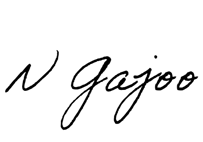
Name
& Surname: N
Gajoo |
|
|
|
Signature |
|
|
|
Date:
29/08/2022 |